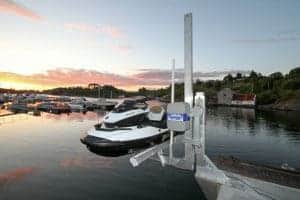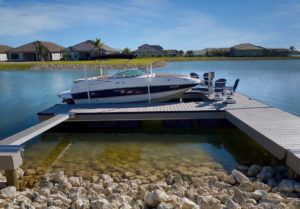
If you’re an owner of a personal watercraft (PWC) and you have a dock, investing in a PWC lift is a must. These lifts provide a convenient and efficient way to store and protect your prized possession when it’s not in use. In this ultimate guide, we will take you through everything you need to know about PWC lifts for docks, from understanding their importance to choosing the right one for your needs, installation process, and maintenance tips. So, let’s dive in and explore the world of PWC lifts!
Understanding PWC Lifts
Before we delve into the specifics of PWC lifts, let’s first understand their importance. PWC lifts not only provide a safe storage solution for your watercraft but also offer protection against harsh weather conditions, UV rays, and marine growth. By keeping your PWC out of the water when not in use, you can prevent damage caused by exposure to elements and elongate its lifespan.
The Importance of PWC Lifts
Why are PWC lifts so important? Well, besides protecting your valuable investment, they also save you precious time and effort. No more struggling with trailers or risking damage while launching and retrieving your PWC. With a lift, you can effortlessly raise and lower your watercraft with just a touch of a button, ultimately enhancing your overall boating experience.
Imagine the convenience of arriving at the dock, ready for a day of fun on the water, and effortlessly lowering your PWC into the water with a simple press of a button. No more back-breaking labor or worrying about the alignment of your trailer. With a PWC lift, you can spend more time enjoying the water and less time dealing with the logistics of launching and retrieving your watercraft.
Furthermore, PWC lifts provide added security for your watercraft. By keeping your PWC lifted out of the water, you reduce the risk of theft or vandalism. It’s much harder for someone to tamper with or steal your PWC when it’s securely stored on a lift. This peace of mind allows you to relax and enjoy your time on the water without constantly worrying about the safety of your investment.
Different Types of PWC Lifts
Now that we understand the importance of PWC lifts, let’s explore the different types available. There are three main types of PWC lifts: manual lifts, electric lifts, and hydraulic lifts. Manual lifts are the most basic and require manual cranking to raise and lower your PWC. While they may require a bit more physical effort, they are a cost-effective option for those who don’t mind a little extra workout.
Electric lifts, on the other hand, rely on electricity to power the lifting mechanism, offering ease of use. With just a push of a button, you can effortlessly raise or lower your PWC. This convenience is especially beneficial for those with physical limitations or those who simply prefer a more effortless boating experience.
For the ultimate in convenience and efficiency, hydraulic lifts are the way to go. These lifts use hydraulics to lift your PWC with minimal effort on your part. With the power of hydraulics, you can effortlessly raise or lower your watercraft in a matter of seconds. The smooth and quiet operation of hydraulic lifts adds an extra touch of luxury to your boating experience.
When choosing a PWC lift, consider factors such as your budget, usage frequency, and personal preferences. Electric and hydraulic lifts are generally more expensive but offer added convenience and efficiency. However, if you’re on a tighter budget or prefer a more hands-on approach, a manual lift can still provide reliable and secure storage for your PWC.
Factors to Consider When Choosing a PWC Lift
Now that you have a better understanding of PWC lifts, let’s explore the key factors you should consider when choosing one for your dock.
Investing in a PWC lift is not just a matter of convenience; it’s also about ensuring the safety and longevity of your personal watercraft. By carefully evaluating the following factors, you can make an informed decision that will protect your investment and enhance your overall boating experience.
Weight Capacity
The weight capacity of the lift is crucial. You need to ensure that it can safely handle the weight of your PWC. Take into account the weight of your watercraft, including any accessories or modifications you may have added. Choosing a lift with a higher weight capacity than necessary can provide an added margin of safety and prevent overloading.
Moreover, it’s essential to consider the dynamic loading that occurs when boarding or disembarking from the PWC. Opting for a lift with a weight capacity that accommodates these additional forces can help prevent premature wear and tear on the lift components.
Material and Durability
Look for PWC lifts made of high-quality materials, such as marine-grade aluminum or galvanized steel. These materials are designed to withstand the harsh marine environment and provide long-lasting durability. Corrosion-resistant materials are particularly important for ensuring the structural integrity of the lift over time, especially in saltwater environments where corrosion can occur more rapidly.
Additionally, consider the design and construction of the lift components, such as the pulleys, cables, and fasteners. Opting for a lift with heavy-duty components and robust construction can minimize maintenance requirements and ensure reliable performance season after season.
Ease of Installation
Consider your DIY skills and the complexity of the installation process. Some lifts require professional installation, while others come with detailed instructions, making them suitable for DIY enthusiasts. Choose one that aligns with your installation capabilities. Keep in mind that proper installation is crucial for the safe and efficient operation of the lift, so if you’re unsure, it’s best to seek professional assistance to ensure everything is set up correctly.
Furthermore, consider the adaptability of the lift to different dock configurations. A versatile lift design that can be easily adjusted or modified to fit your specific dock layout can simplify the installation process and ensure a secure and stable mounting. Taking the time to assess these installation considerations can save you time and effort in the long run, providing peace of mind knowing that your PWC lift is securely installed and ready for use.
The Installation Process of PWC Lifts
Now that you’ve selected the perfect PWC lift for your needs, let’s walk you through the installation process.
Preparing Your Dock
Before installing the lift, make sure your dock is in good condition and can support the weight and force exerted by the lift and your PWC. Clear any debris, measure the water depth, and inspect the dock’s structure to ensure stability.
Assembling the Lift
Follow the manufacturer’s instructions to assemble the lift components. Usually, this involves attaching the posts, attaching the carpeted bunks, and connecting the lifting mechanism.
Remember to double-check all connections and ensure they are secure before proceeding to the next step.
Securing the Lift to the Dock
Once the lift is fully assembled, position it at the desired spot on your dock. Secure it using the appropriate anchoring methods recommended by the manufacturer. This step is crucial to ensure the lift remains stable and secure.
Maintenance and Care for PWC Lifts
Now that your PWC lift is installed, let’s talk about how to keep it in optimal condition for years to come.
Regular Cleaning and Inspection
Perform regular cleaning and inspection of your lift. Remove any debris, such as leaves or twigs, from the lift’s surface. Inspect the lift for any signs of wear or damage, paying special attention to cables, pulleys, and other moving parts.
Seasonal Maintenance Tips
Before the boating season begins, thoroughly inspect your lift and its components. Lubricate moving parts, check cables for tension and fraying, and ensure all electrical connections are intact. At the end of the season, clean and dry the lift, and consider applying a protective coating to prevent corrosion during storage.
Troubleshooting Common Issues
Despite proper maintenance, you may encounter the occasional issue with your PWC lift. The most common problems include motor failure, cable slippage, or damage to the lifting mechanism. In such cases, consult the manufacturer’s troubleshooting guide or seek professional assistance to diagnose and resolve the issue.
So, there you have it – the ultimate guide to PWC lifts for docks. Now armed with valuable knowledge about their importance, types, installation process, and maintenance, you can confidently choose and care for a PWC lift that suits your needs. With your PWC securely stored and protected, you’ll have more time to enjoy the water and create lasting memories.
Secure Your PWC with IMM Quality Boat Lifts
Ready to elevate your marine experience and safeguard your personal watercraft? Look no further than IMM Quality Boat Lifts. As a leader in marine solutions, we’re dedicated to providing you with the highest quality and innovative boat lifts. Whether you need an elevator, beamless, or floating lift, our diverse range caters to all sizes and types of properties. Plus, with our customization options, your lift will not only be functional but also complement your dock’s aesthetics. Don’t miss out on the opportunity for a seamless and secure boating experience. Request a Boat Lift Quote today and join the ranks of satisfied customers who trust IMM Quality Boat Lifts for their PWC storage needs.